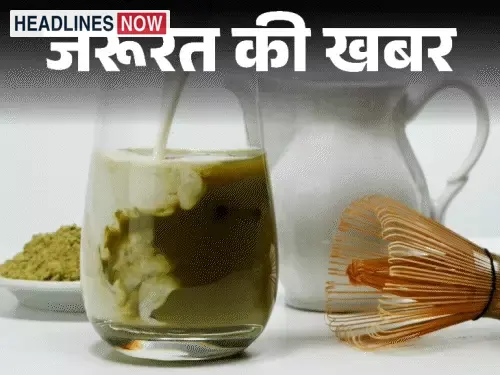
Google Trends data indicates a massive surge in searches related to matcha tea in India over the past year. Statistics show that searches for how to make matcha increased by approximately 1,300 percent.
History and origins of matcha
The history of matcha is linked to China. Around 1191, a Japanese Zen monk named Eisai brought it to Japan. Various studies have been conducted regarding its health effects and nutrition.
A study published in the National Library of Medicine states that matcha contains an antioxidant called EGCG. According to Harvard Health, about 240 millilitres of matcha contains 38 to 89 milligrams of caffeine.
Nutritional content and expert views
Ritu Mishra, working as a senior dietician in Delhi, provided information on the consumption and nutrition of matcha. However, there is no scientific evidence that drinking matcha flushes toxins out of the body.







Reader comments